Vispring Coronet
Experience pristine support and temp-regulated comfort with responsive, breathable wool layers and individually pocketed springs that adapt to you, edge-to-edge.
In the quiet geometry of a good night’s sleep, the innerspring mattress stands as a timeless architect of rest. Its core, a web of steel springs, responds to the human body with a fidelity that evolves with design, materials, and craftsmanship. This guide examines the essential factors that shape comfort, support, and durability in innerspring systems, with a lens tailored to readers in the United Kingdom and to the informational, non-commercial ethos of a knowledge hub like vspring.co.uk.
At its heart, an innerspring mattress is a coil-based structure designed to cradle the body while transferring loads evenly across the sleep surface. The coil system—whether traditional, pocketed, or zoned—governs the bed’s response to weight, movement, and pressure across different positions. This core is typically layered with comfort foams, latex, wool, cotton, or other materials that influence feel, temperature regulation, and overall longevity.
To read a mattress as a landscape rather than a mere product, we begin with three intertwined aspects: coil configuration, edge support, and the choice of upholstery materials. Each feature plays a distinct but complementary role in delivering stability, conformity, and durability over time.
Coil configurations translate anatomy into mechanics. For those who sleep on their side, a mattress with responsive, well-spaced coils can support the shoulders and hips without creating sharp pressure points. For back and stomach sleepers, firmer cores may help maintain spinal alignment. For restless sleepers, a design that balances motion isolation with targeted contouring can reduce sleep disturbances and promote steadier rest.
In practice, readers should look for these cues when evaluating coils:
Across brands and markets, the language of coil systems often converges on a shared aim: to maintain supportive alignment while enabling a comfortable, breathable sleep surface. The best choice depends on individual sleep posture, body weight distribution, and room temperature preferences.
Edge support is the unsung guardian of a mattress’s life. A well-secured edge maintains consistent tension around the perimeter, preventing sagging and enabling full use of the surface. This is particularly important for couples who share a bed, families with children who might sit on the edge, and anyone who needs to maximize the sleeping area within a compact room.
Edge reinforcement often comes in two forms: a reinforced coil boundary and an encasing border with durable stitching. When the edge is strong, you can sit or sleep near the periphery with fewer compromises in support. Conversely, a weak edge can lead to rapid degradation of the sleep surface in the outer zones and a perception of “rolled” corners as the bed ages.
For UK buyers, it is worth noting that many luxury innerspring lines emphasize edge-to-edge firmness as part of the premium experience, combining it with high-quality fabrics and precise tufting to preserve alignment over years of use.
The layers above the spring core shape the daily feel and the night-by-night comfort. Natural fibers like wool and cotton can offer breathable, temperature-regulating properties, while blends such as wool with cotton or cashmere with silk may contribute to a softer, more luxurious touch. Foam layers—whether memory foam or latex—can add contouring and pressure relief, but their performance in terms of heat retention and durability varies widely by formulation and quality.
When evaluating upholstery, consider these questions:
While product naming varies across brands and markets, a close examination of premium innerspring lines reveals a consistent commitment to materials, construction, and longevity. For instance, a king-size configuration that uses a high-tension steel coil system—paired with hand-crafted upholstery and meticulous edge reinforcement—offers a snapshot of how design choices translate into nightly comfort and years of use. Such configurations highlight several recurring themes:
In the context of a UK audience, these principles align with a tradition of craftsmanship and a market that values durability, comfort, and a refined sense of luxury. Readers who prioritize longevity will appreciate a mattress designed to resist sagging, maintain load distribution, and remain comfortable across years of use.
To navigate the market with clarity, consider the following practical checklist. It is designed to help readers assess availability, fit, and long-term value without conflating marketing language with measurable performance.
A mattress is a sleeping platform that supports daily life—the recovery that sustains work, learning, and health. In the realm of innerspring systems, longevity is not merely about resisting collapse but about preserving structural integrity—the way coils respond to evolving body shapes, how edge systems maintain uniformity, and how upholstery materials resist settlement. The most durable designs distribute load evenly, respond predictably to movement, and retain their support across years of use.
For readers seeking a non-commercial, information-forward perspective, the lasting lesson is that quality materials, thoughtful engineering, and careful assembly yield better sleep outcomes over time. The blend of tradition and modern engineering in premium innerspring mattresses demonstrates how centuries-old craft can coexist with contemporary performance metrics, offering nights of steadier, more restorative rest.
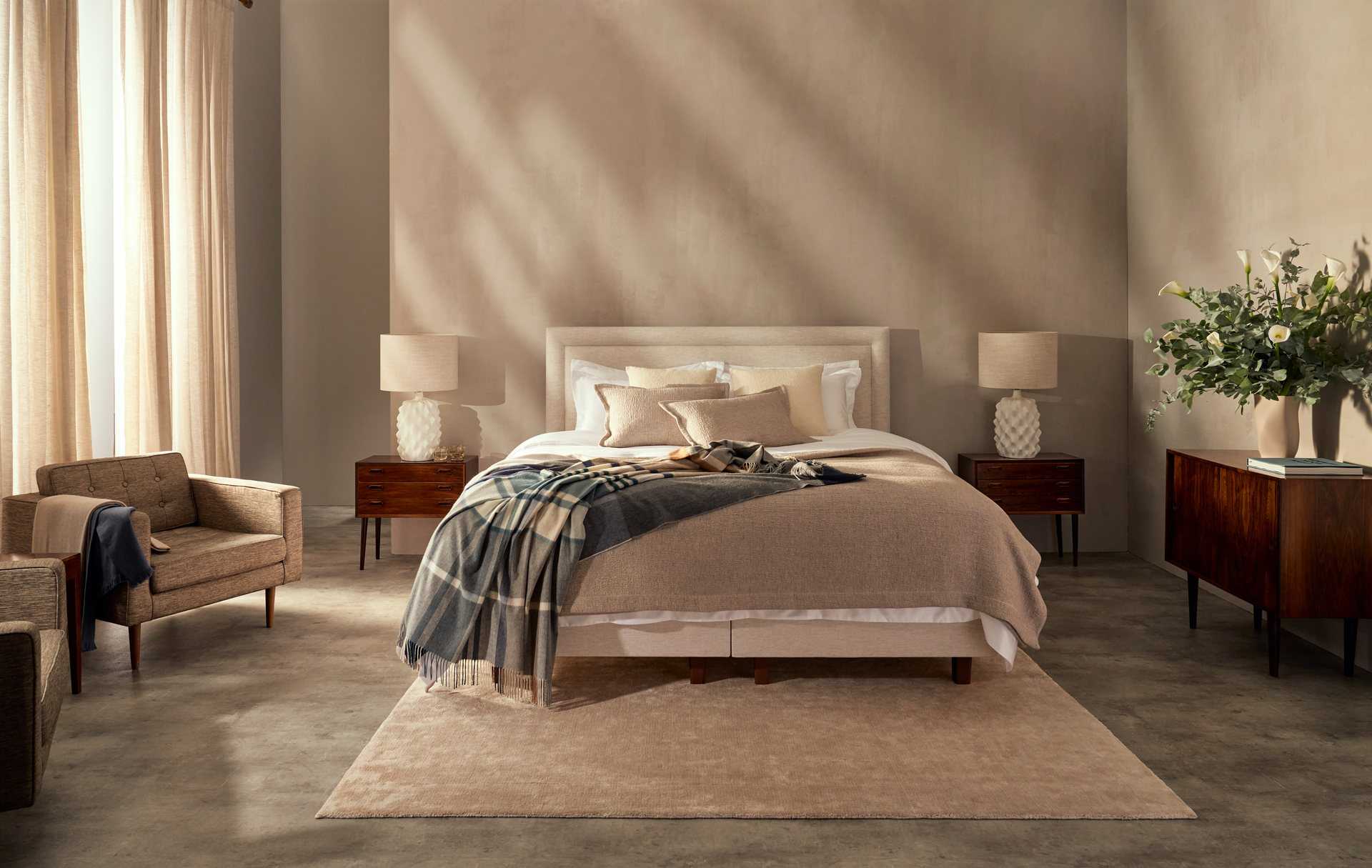
In the spectrum of premium innerspring options, the Vispring Coronet exemplifies a high-touch approach to bedding. Its three-layer Filling sequence—the surface layer of bonded British fleece wool and cotton, followed by a loft-adding wool layer, and finally a blended wool and cotton stratum before the spring core—illustrates how layers collaborate to deliver resilience, breathability, and load distribution. The spring core itself uses a single row of hand-nested calico pocket springs, with a generous number of independent springs to absorb pressure and minimize cross-talk between sleepers. The border’s wool reinforcement and hand side-stitching contribute to an edge that remains firm and consistent, reinforcing the entire sleep surface to the edge over years of use. This focused case demonstrates how premium construction translates into long-term stability, a critical factor in choosing an innerspring mattress with longevity in mind.
For readers exploring the broader market, a similar attention to pocketed spring architecture, edge reinforcement, and layer sequencing can guide a thoughtful comparison. While the Coronet represents a high-end exemplar, the underlying principles are widely applicable across quality innerspring platforms available in the UK market.
Choosing an innerspring mattress is a decision rooted in an understanding of how the core and its surrounding layers interact to cradle the body, support the spine, and regulate temperature. By centering considerations on coil configuration, edge support, and upholstery materials, readers can make informed choices that balance comfort and durability. The UK market offers a spectrum of thoughtfully engineered options, with brands that uphold a tradition of craftsmanship while embracing modern materials and testing standards. A well-chosen innerspring mattress is less about a single night’s sensation and more about a durable platform for daily health, a steadfast partner through the rhythms of life.
This guide invites readers to approach mattress shopping as an exploration of engineering principles, material science, and human physiology—an enduring, data-informed journey toward restful nights and clearer days.
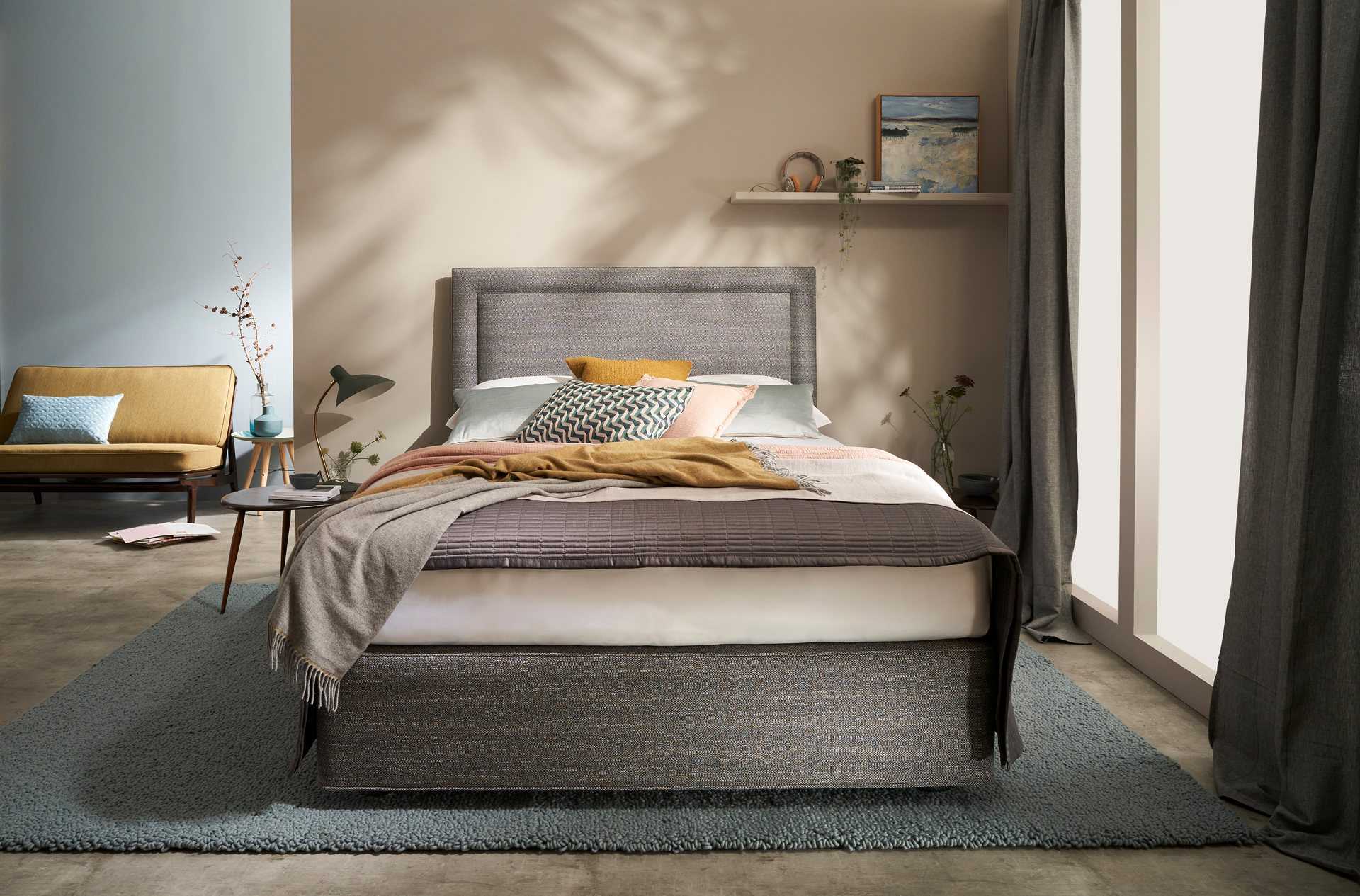
Vispring Coronet (Product link: Vispring Coronet)
This exemplar highlights the harmonious arrangement of wool, cotton, and spring technology in a premium platform. It serves as a concrete reference point for readers comparing coil configurations, edge reinforcement, and upholstery layers in high-end innerspring designs.